SEEM[N]EST
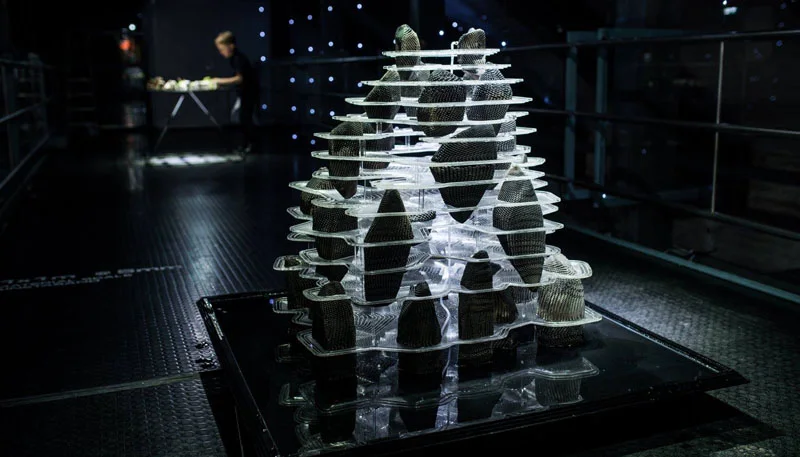
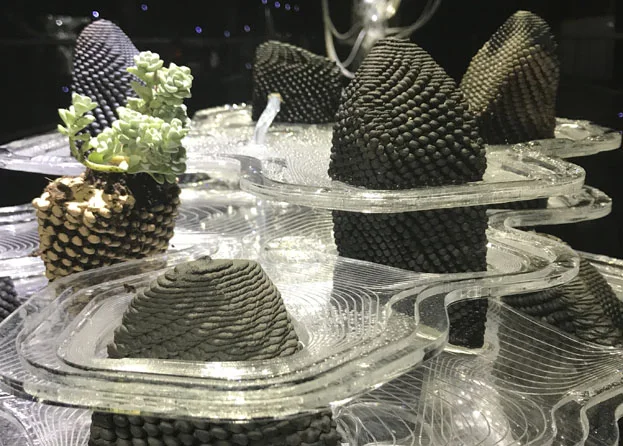
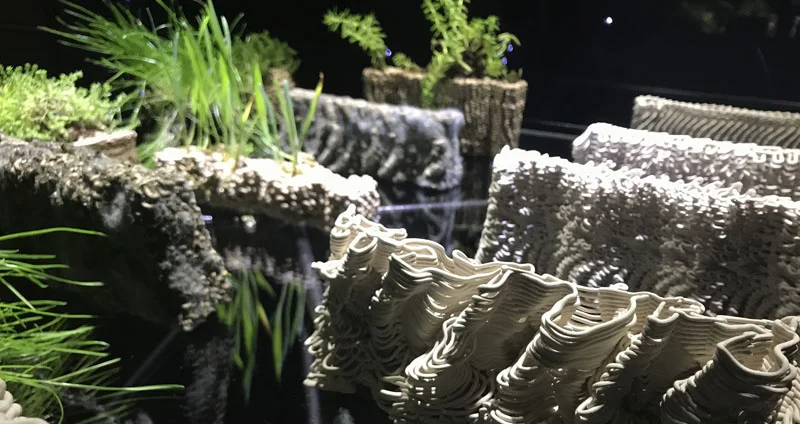
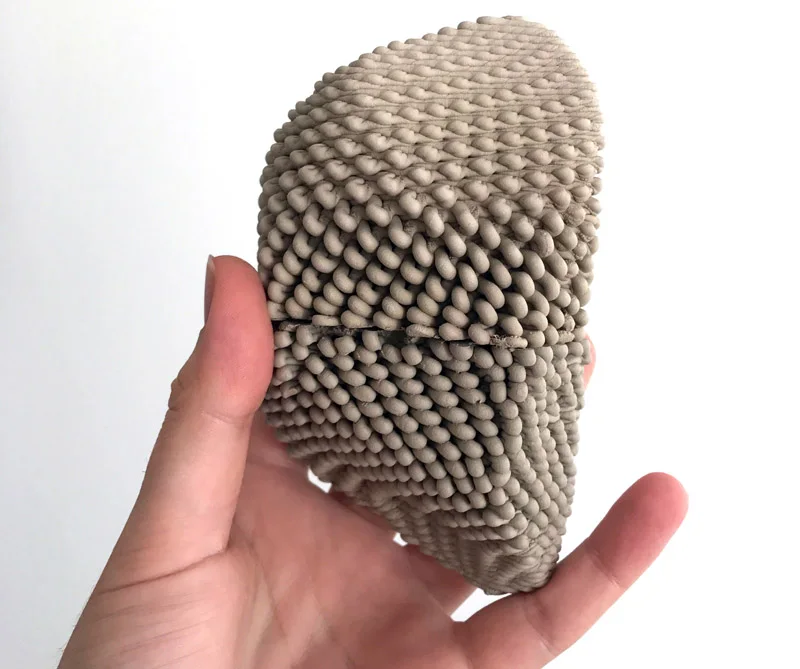
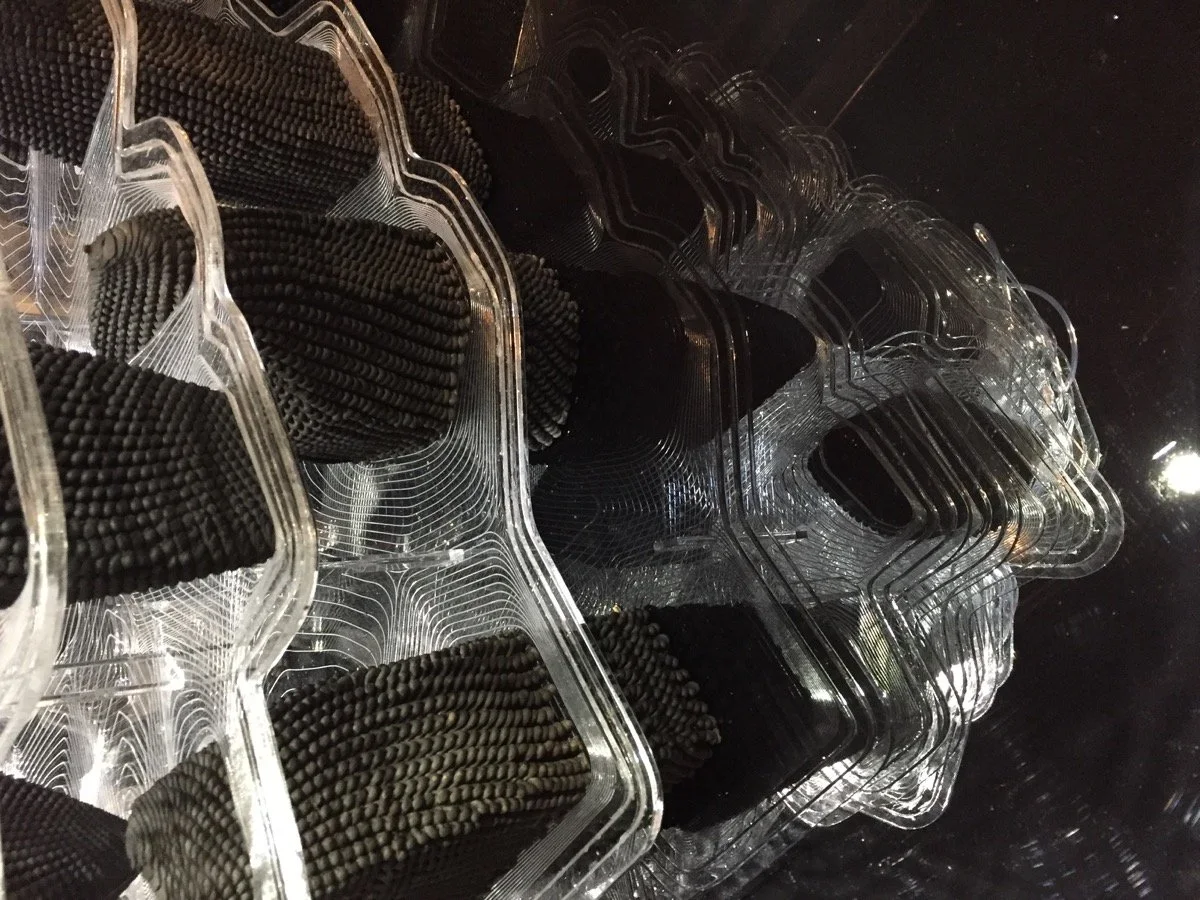
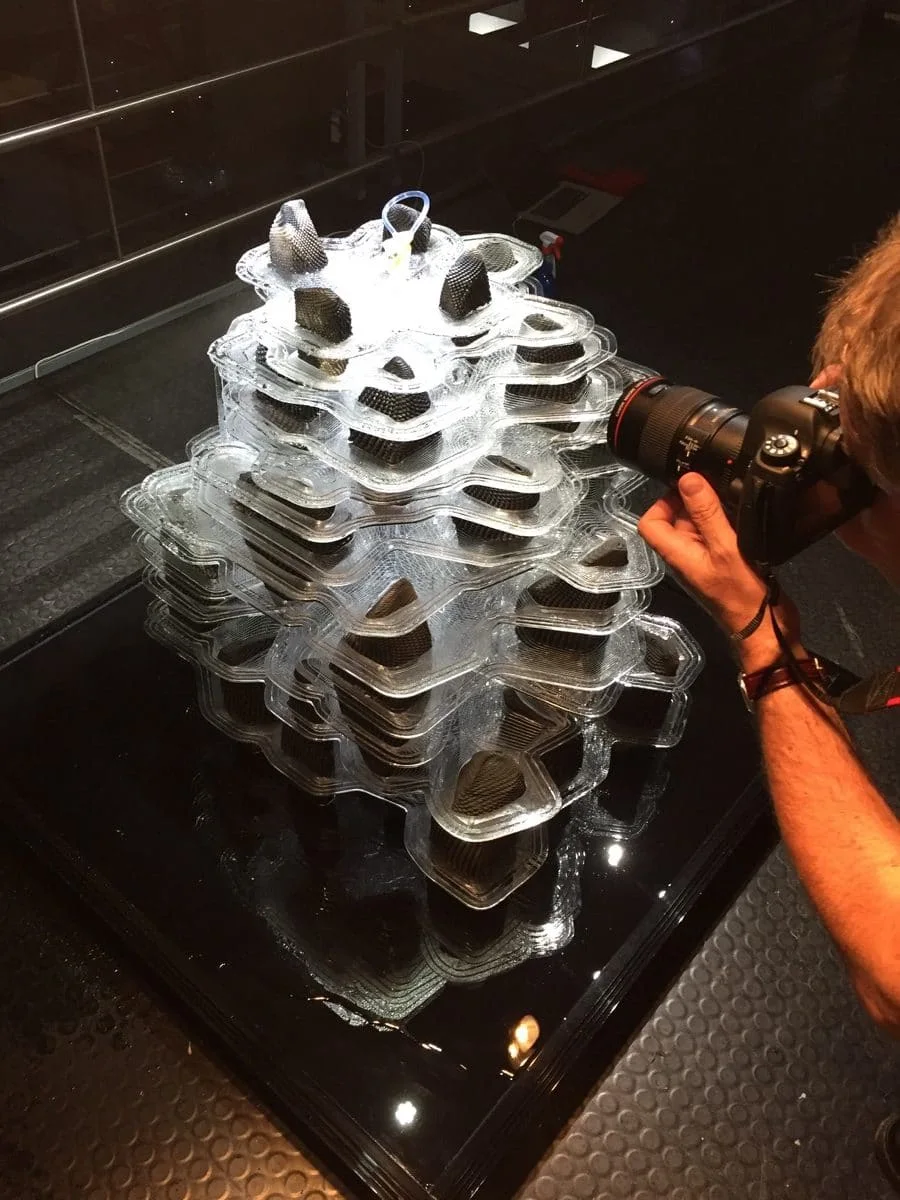
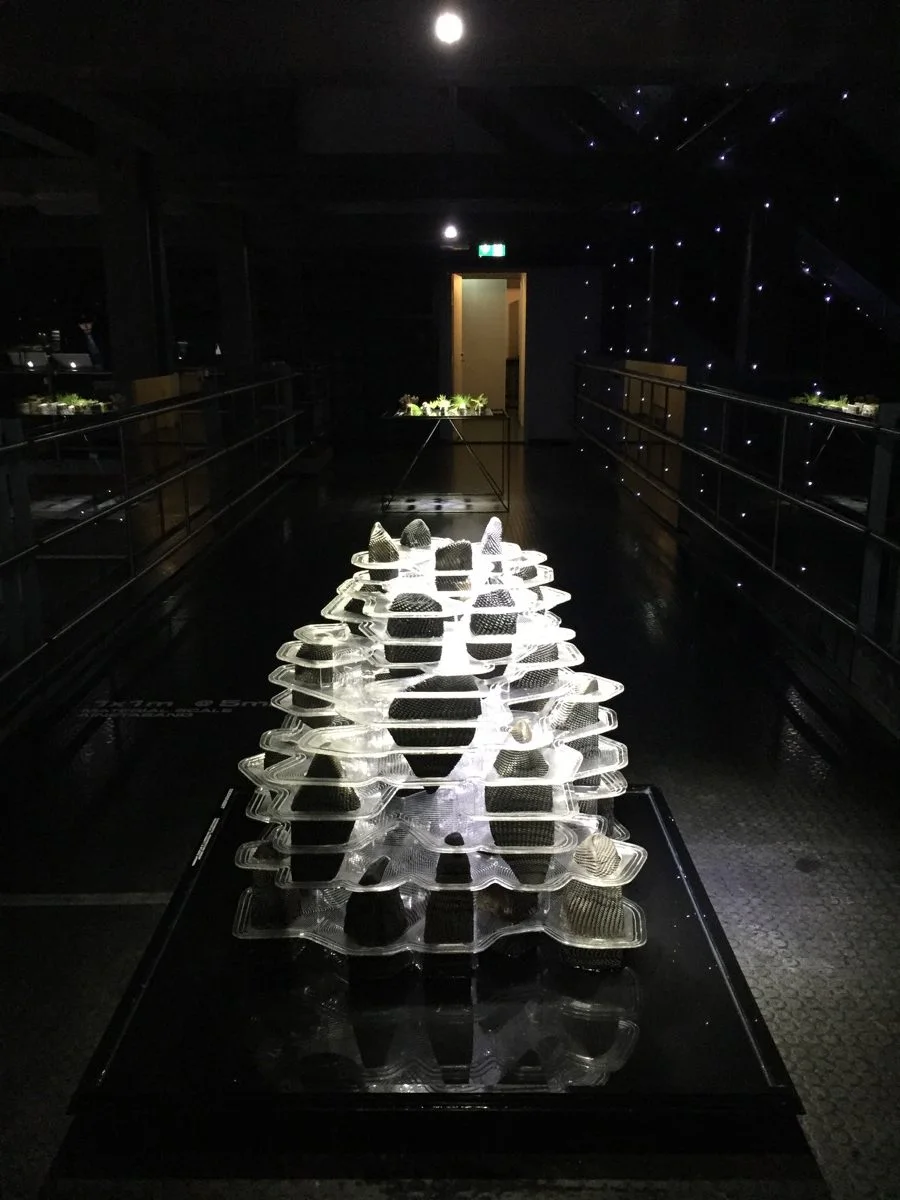
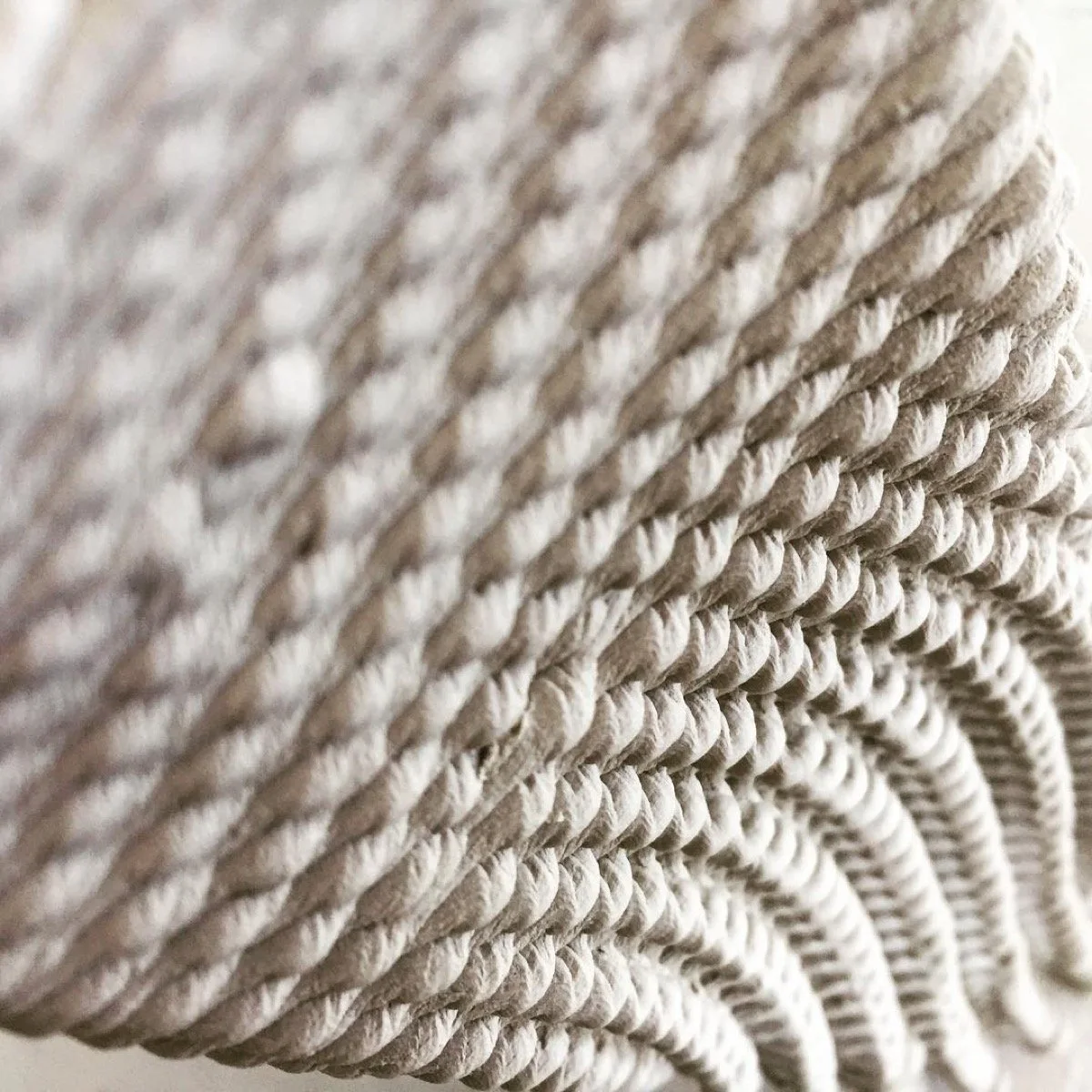
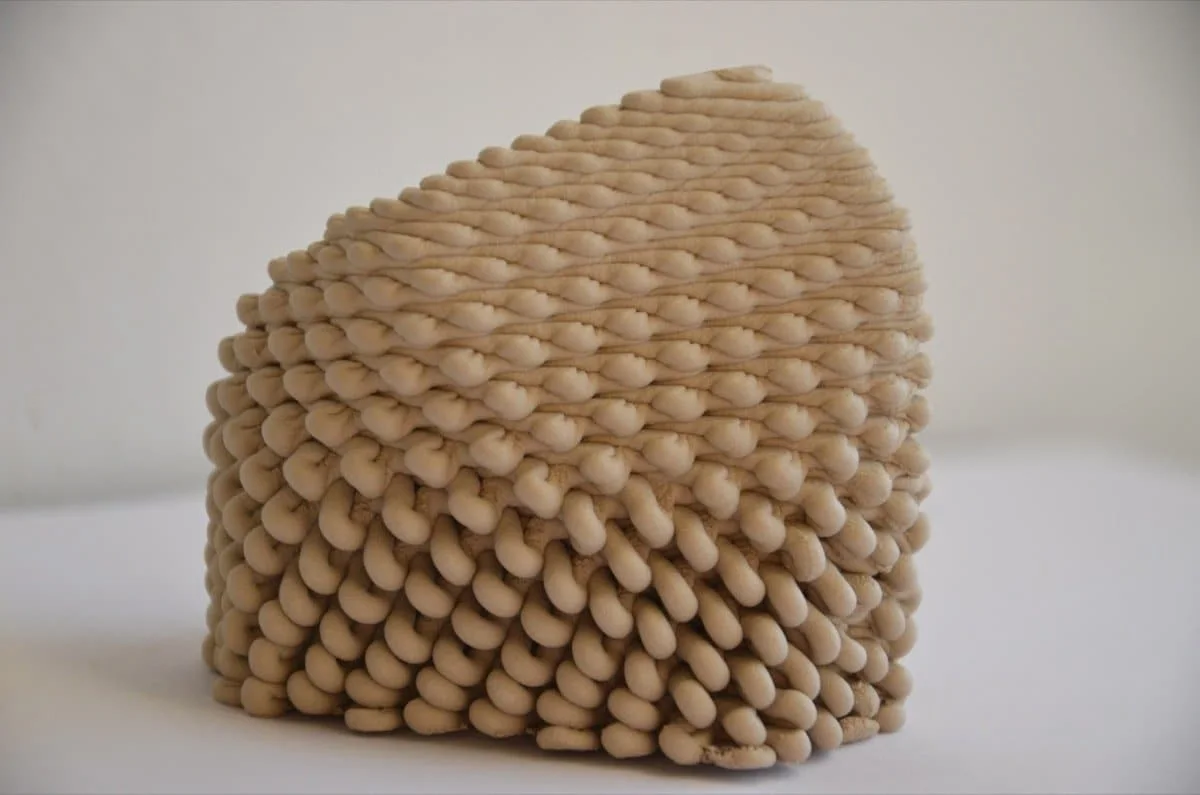
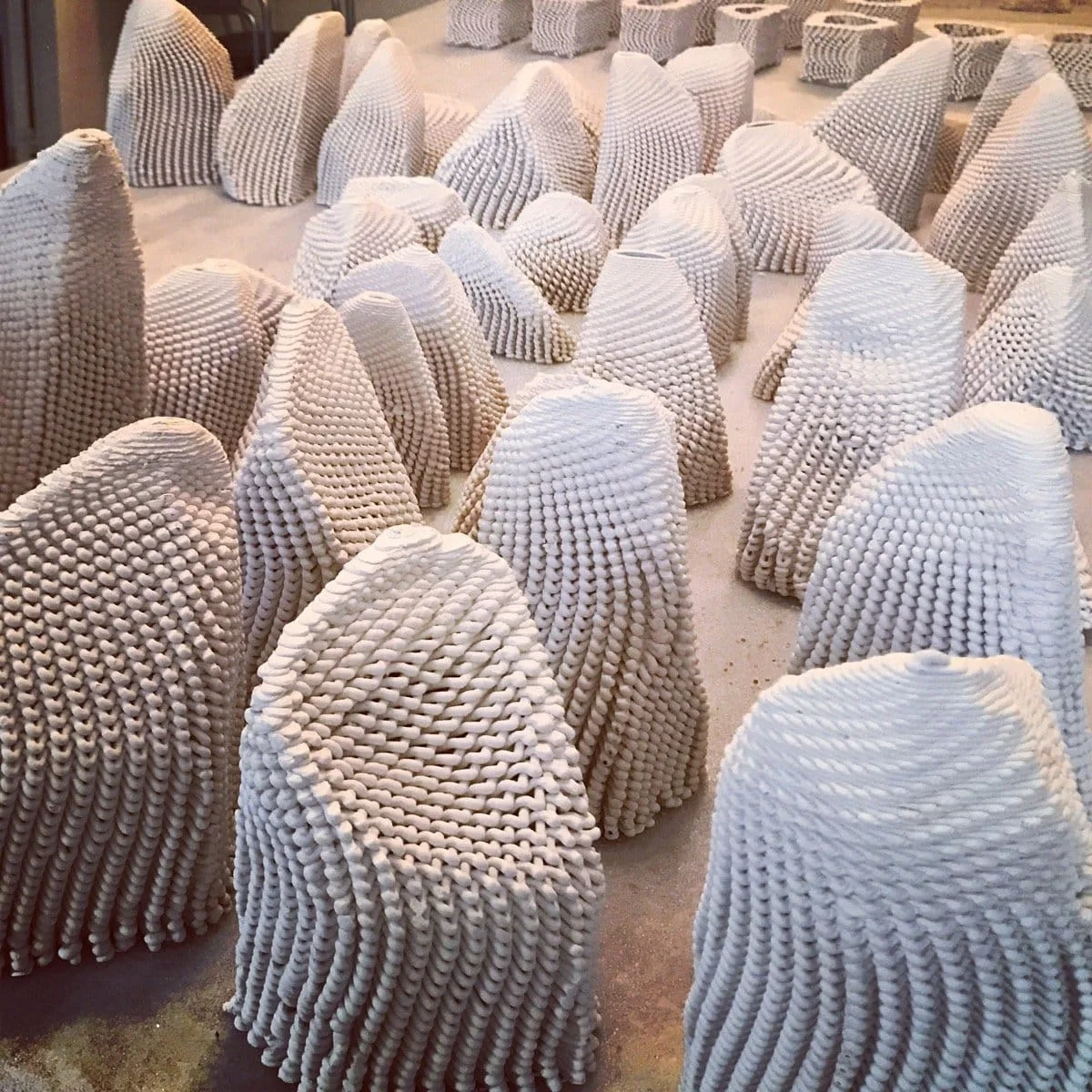
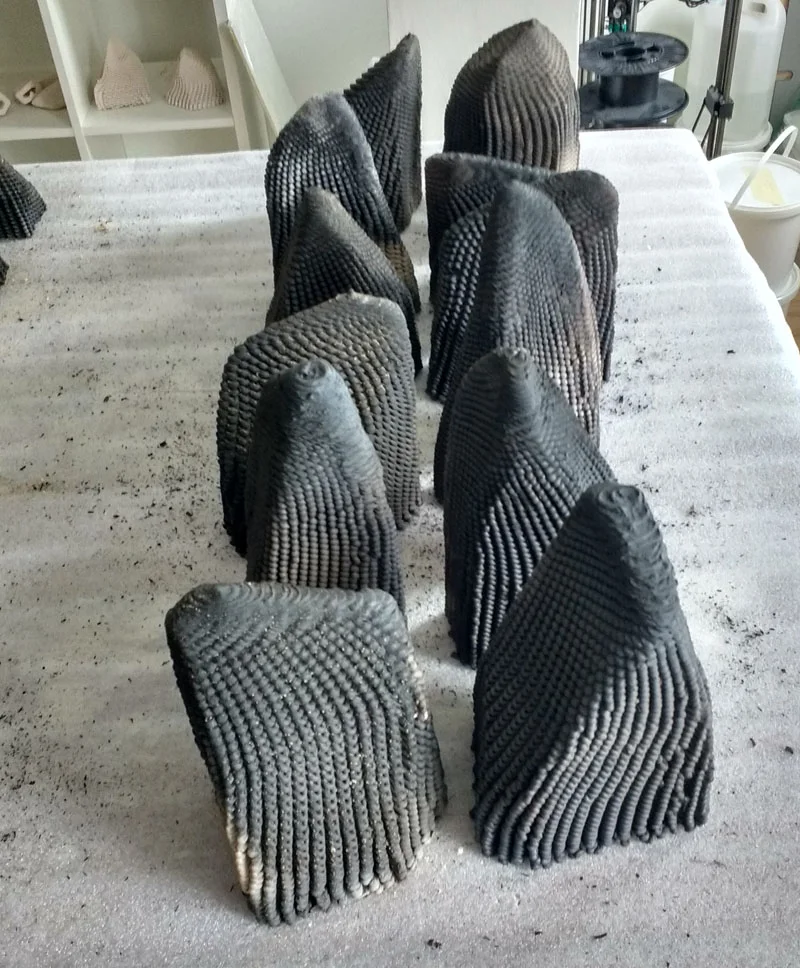
A multifunctional wall of porous, 3D‑printed clay stones. The pores filter and hold rainwater and meltwater, and give moss, plants, insects and birds a place to live. Shown in the curatorial exhibition Anthropocene Island at the Museum of Estonian Architecture.
![SEEM[N]EST](/assets/sn-03.webp)
- Where
- Anthropocene Island, Museum of Estonian Architecture, Tallinn, 14 Sep – 27 Oct 2017
- Curator
- Claudia Pasquero
- Studio UnSeen
- Tiia Vahula, Ljudmilla Georgijeva, Madis Kaasik
- With
- Newcastle University Experimental Architecture Group: Rachel Armstrong, Rolf Hughes, Simone Ferracina
- Code
- Kaiko Kivi
- Ceramics
- Estonian Academy of Arts, Urmas Puhkan and Lauri Kilusk
- Photography
- Studio UnSeen
The biennale asked what the artificial peninsula of Paljassaare, a place of wastewater works and abandoned military structures that has become a wilderness, tells us about nature in the Anthropocene. SEEM[N]EST answers with the most ordinary architectural element, a wall, made of the world’s most ordinary building material, clay, and asks how far a new technology can push both.
Every stone was printed on machines the studio built itself, from code written for the project, and fired with the Department of Ceramics at the Estonian Academy of Arts. Test prints were planted and displayed alongside the wall. The critic Taivo Lints in Sirp called it the one piece in the exhibition that was immediately applicable.